
Understanding Sports Broadcasting
Defining the Concept of Sports Broadcasting
Sports broadcasting refers to the dissemination of sports-related content through various mediums such as television, radio, and online platforms. It serves as a bridge between sports events and audiences, allowing fans to experience games, highlights, and commentary from the comfort of their homes. The significance of Sports Broadcasting lies in its ability to unify fans, provide real-time updates, and build community engagement around sporting events.
Historical Evolution of Sports Broadcasting
The origins of sports broadcasting can be traced back to the early 20th century when radio broadcasts began to air live sporting events. This groundbreaking change allowed fans to follow their favorite teams and athletes from afar. By the 1950s, television emerged as the dominant medium, dramatically changing how sports were consumed. Major events like the Super Bowl and the Olympics gained significant traction, leading to more investment in broadcast rights and production quality. The advent of digital platforms in the 21st century further revolutionized the space, enabling live streaming and on-demand content.
Importance of Sports Broadcasting in Media
Sports broadcasting occupies a pivotal role in the media landscape. It not only enhances the visibility of sports but also contributes significantly to advertising revenue and brand partnerships. Through commentary, analysis, and reporting, broadcasters provide invaluable context that enriches the viewing experience. Moreover, sports broadcasts often highlight social issues, a responsibility that can elevate public discourse and awareness.
Key Technologies in Sports Broadcasting
Critical Equipment for Sports Broadcasting
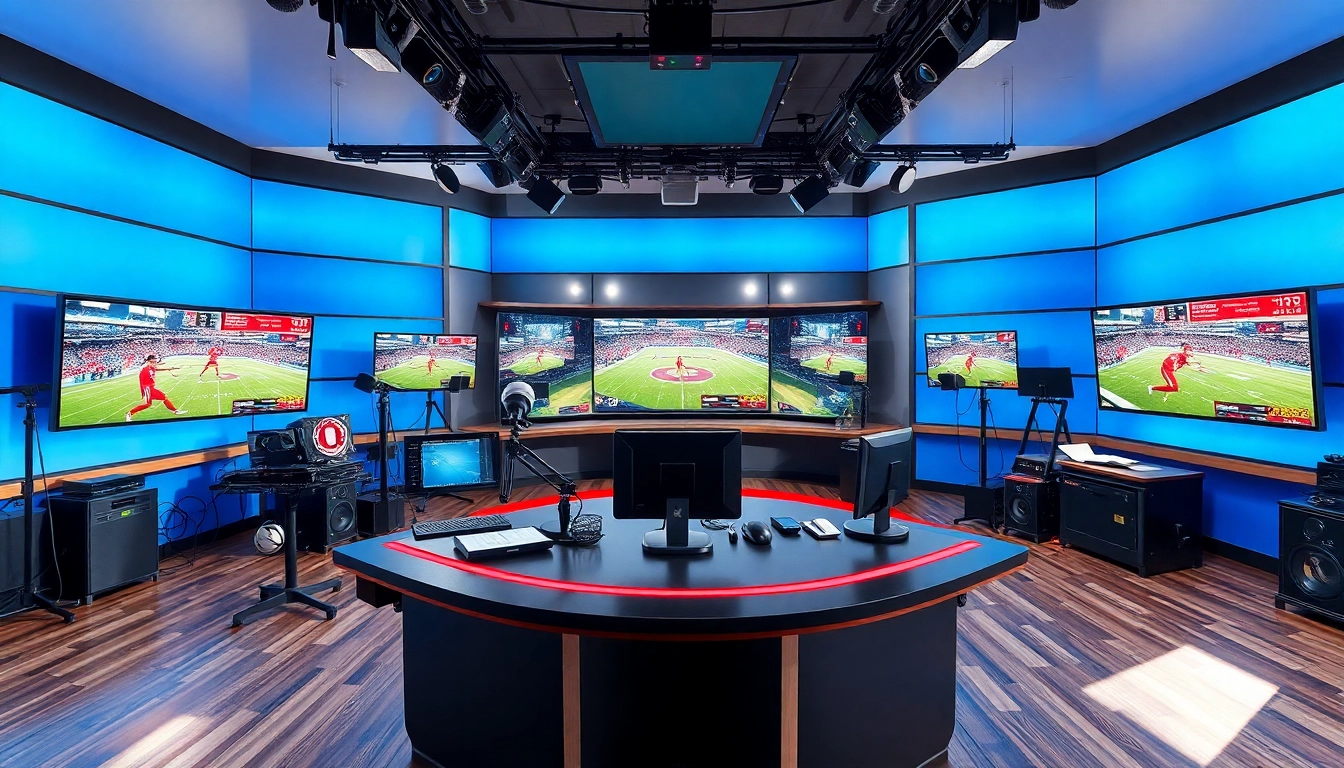
Modern sports broadcasting relies on a range of sophisticated equipment. High-definition cameras capture gameplay with exceptional clarity, while drones offer unique aerial views of events. Audio equipment, including lavalier and shotgun microphones, ensure that commentary and crowd sounds are crystal clear. Additionally, broadcasting trucks are equipped with servers, switchers, and graphics computers to manage live feeds and broadcasts efficiently.
Emerging Technologies Shaping Sports Broadcasting
The future of sports broadcasting is being shaped by emerging technologies such as Virtual Reality (VR) and Augmented Reality (AR). These technologies enable immersive experiences that allow fans to engage with games in unprecedented ways. With VR, viewers can feel like they are part of the action, while AR can overlay important statistics right onto the live broadcast, providing deeper insight during key moments.
Software Solutions for Streamlining Production
Production software plays a crucial role in modern sports broadcasting. Solutions such as graphics insertion tools, video editing software, and live-streaming platforms help streamline the workflow. Advanced software solutions also facilitate remote productions, allowing teams to broadcast from various locations without compromising quality. Effective project management tools are vital as they help coordinate efforts among multiple teams, ensuring a seamless broadcasting experience.
Creating Compelling Content in Sports Broadcasting
Crafting Engaging Sports Narratives
Successful sports broadcasting goes beyond merely showing the game; it involves telling engaging stories that resonate with the audience. Narratives around player achievements, underdog stories, or historical matchups can create a richer experience. Content creators should focus on building a narrative arc, complete with conflicts and resolutions, to enthrall viewers and keep them invested throughout the broadcast.
The Role of Commentary in Sports Broadcasting
Commentators play a vital role in sports broadcasting, providing insightful analysis and real-time updates that enhance the viewer’s experience. Expert commentators add context to the game, offering statistics and historical parallels that enrich understanding. Additionally, their personal anecdotes and emotional connections to the game often resonate with fans, providing a sense of intimacy and relatability.
Leveraging Social Media for Audience Engagement
In today’s digital age, social media has become an indispensable tool for sports broadcasters. Platforms such as Twitter, Instagram, and TikTok allow for real-time interaction with fans, fostering a sense of community. Broadcasters should encourage audience participation through live polls, Q&A sessions, and user-generated content. By building a robust social media strategy, broadcasters not only enhance viewer loyalty but also capture the attention of potential new fans.
Best Practices for Successful Sports Broadcasting
Effective Planning and Coordination Techniques
Successful sports broadcasting requires meticulous planning and coordination. Pre-production meetings are essential to align expectations, roles, and timelines among all team members. Utilizing project management tools can help streamline communication and document vital information, reducing the likelihood of errors and ensuring a smooth production process. Additionally, rehearsal runs can help identify potential issues before the live broadcast.
Adhering to Broadcast Standards and Regulations
Broadcasting professionals must stay informed about industry standards and regulations, including copyright laws and broadcasting rights. Non-compliance can lead to severe financial penalties and damage to reputation. Understanding the ethical implications of commentary and representation is also crucial. Broadcasters should maintain integrity and objectivity while respecting the diverse backgrounds of their audiences.
Metrics for Assessing Broadcast Performance
Assessing the performance of a sports broadcast requires the analysis of various metrics. Viewership numbers, audience retention rates, and engagement statistics on social media are critical data points. Conducting post-broadcast surveys can also provide valuable feedback from viewers. By continually evaluating performance, broadcasters can adapt their strategies and improve future broadcasts for enhanced viewer satisfaction.
Future Trends in Sports Broadcasting
The Impact of Streaming Services on Sports Broadcasting
Streaming services are revolutionizing the landscape of sports broadcasting by offering viewers unprecedented flexibility and choice. With on-demand content and live streaming options, fans can watch their favorite sports anytime, anywhere. This transition forces traditional broadcasters to adapt by creating compelling digital content and exploring new revenue streams, such as subscription services and exclusive online content.
Changing Viewer Behaviors and Expectations
As technology evolves, so do audience preferences and expectations. Viewers now expect multi-platform access to sports content, real-time updates, and interactive elements embedded within broadcasts. To meet these expectations, broadcasters must invest in advanced technologies and rethink their distribution strategies to retain and grow their audience base.
Exploring Interactive and Immersive Experiences
The future of sports broadcasting will likely focus on providing interactive and immersive experiences for viewers. Technologies such as VR, AR, and AI can create a more engaging experience, allowing fans to participate actively in the action. Personalized content offerings, including tailored highlights and data-driven insights, will cater to individual preferences and deepen audience engagement.
Frequently Asked Questions
What is sports broadcasting?
Sports broadcasting involves the transmission of sports events through various media, including television, radio, and online platforms, providing access to fans worldwide.
How has technology impacted sports broadcasting?
Technology has revolutionized sports broadcasting by improving production quality, enabling live streaming, and integrating AR and VR experiences for fan engagement.
What role does commentary play in sports broadcasting?
Commentary adds context, expert analysis, and emotional connection, enhancing viewer understanding and engagement during broadcasts.
Why is social media important for sports broadcasters?
Social media fosters real-time interaction between broadcasters and fans, enhances community engagement, and expands reach and visibility through user-generated content.
What are key metrics for evaluating sports broadcast performance?
Key metrics include viewership numbers, audience retention, social media engagement, and post-broadcast feedback, helping assess and improve future broadcasts.