
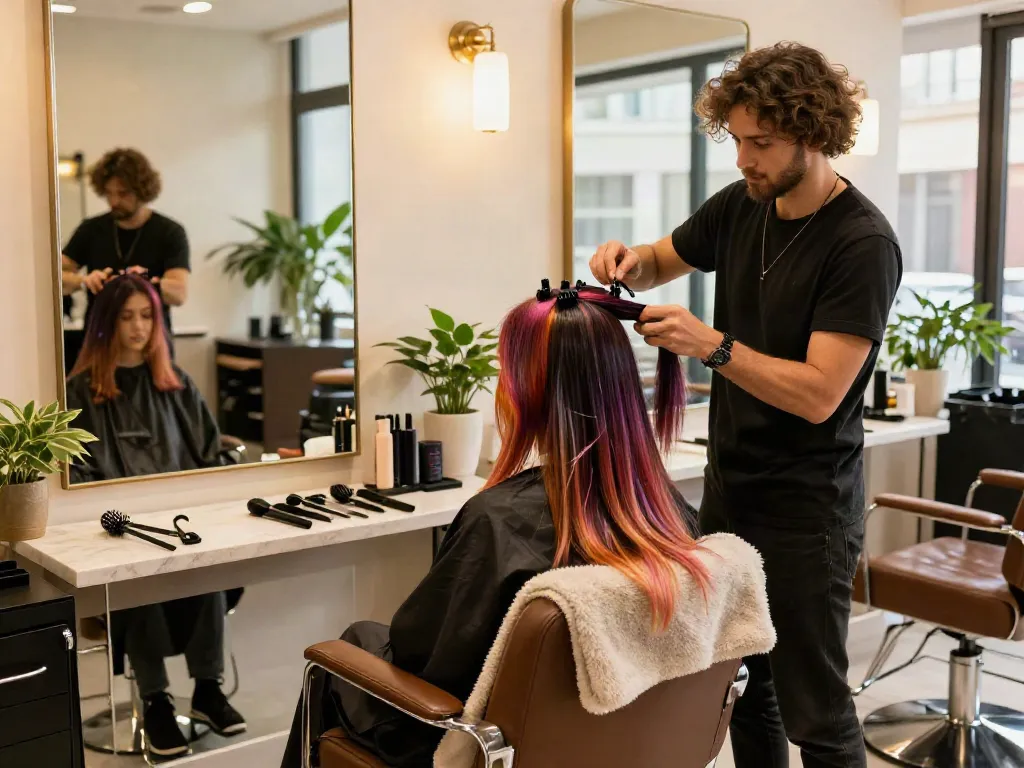
Understanding Tape-In Extensions Human Hair
Tape-in extensions have become increasingly popular among individuals seeking to enhance their natural hair. They are especially favored for their ease of use and ability to blend seamlessly with existing hair. As we explore the world of tape-in extensions human hair, it's vital to understand what they are, the benefits of using human hair, and the various types available to consumers.
What Are Tape-In Extensions?
Tape-in extensions are a type of hair extension that involves the use of adhesive strips to attach the extensions to natural hair. This method offers a flat application, ensuring that the extensions lie flat against the scalp for a natural appearance. Tape-in extensions can be applied in a matter of minutes and typically last between 6 to 8 weeks, depending on the care taken and the growth of the natural hair.
Benefits of Using Human Hair
One of the primary reasons to choose human hair extensions over synthetic options is the authentic look and feel of human hair. Natural hair extensions can be styled just like your own hair, allowing for versatility in curling, straightening, and coloring. Additionally, human hair extensions tend to last longer, offering better value for money over time.
Types of Tape-In Extensions Available
When selecting tape-in extensions, consumers can choose from a variety of options, including Remy, virgin, and processed hair extensions. Remy hair is considered the highest quality, as it maintains the cuticle intact, ensuring a natural look while minimizing tangling. Virgin hair, on the other hand, has never been chemically processed, making it ideal for those who desire the purest form of hair. Processed hair extensions often come in various styles and colors but may not have the same longevity as Remy or virgin hair.
Cost Components of Tape-In Extensions
Initial Purchase and Installation Costs
The cost of tape-in extensions can vary widely based on several factors, including the quality of the hair and the brand. Generally, high-quality tape-in extensions range from $100 to $300 for a full head. Installation costs, often performed by professionals, typically add another $100 to $200 to the initial cost, depending on the salon's rates.
Maintenance and Replacement Expenses
Maintenance is essential for maintaining the longevity of tape-in extensions. A reinstallation every 6 to 8 weeks is often necessary, which involves both removing and reapplying the extensions. This process can cost anywhere from $100 to $150. Additionally, investing in specialized hair care products designed for extensions will help maintain their appearance and health.
Comparative Costs with Other Hair Extension Methods
When comparing tape-in extensions to other methods, such as clip-ins or fusion extensions, tape-ins often provide a cost-effective solution for long-term wear. While clip-in extensions may have a lower upfront cost, they are not as durable and may not blend as seamlessly. Fusion extensions can be more expensive due to their installation process, which can add significant costs over time.
Factors Influencing the Cost of Tape-In Extensions
Quality of Human Hair Used
The quality of the hair significantly impacts the overall cost. Higher-grade human hair, such as Remy or virgin hair, will typically be more expensive due to its natural properties and durability. It's essential to invest in quality extensions to ensure they look good and last longer.
Length and Volume Considerations
Longer extensions generally cost more due to the increased amount of hair required. For example, 24-inch tape-in extensions will typically be more expensive than 14-inch options. Additionally, those looking for more volume may need to purchase multiple packs of extensions, which will influence the total cost.
Professional Installation vs. DIY
While some may consider a DIY approach to installing tape-in extensions, professional installation is often recommended to ensure the best results. Professionals have the experience and tools needed to apply extensions correctly, avoiding potential damage to natural hair. However, choosing to install extensions at home can save money upfront, albeit with additional risks.
Best Practices for Choosing Tape-In Extensions
Consultation with Hair Experts
Before making a purchase, consulting with a hair professional can provide valuable insights into the best type of extensions for your hair type and desired look. Experts can guide you through the various options available and help you understand what will work best for your unique needs.
Color Matching and Texture Selection
Choosing the right color and texture is vital for achieving a natural appearance with tape-in extensions. It's often recommended to take a sample of your natural hair color when shopping to ensure the best match. Additionally, consider the texture of your hair—whether it is straight, wavy, or curly—to select extensions that will blend seamlessly.
Understanding Aftercare and Maintenance
Proper aftercare is essential for the longevity of tape-in extensions. This includes using sulfate-free shampoos, avoiding excessive heat exposure, and scheduling regular maintenance appointments. Taking care of your extensions not only helps them last longer but also keeps them looking their best.
Future Trends in Tape-In Hair Extensions by 2026
Innovations in Hair Extension Technology
As the demand for tape-in extensions grows, manufacturers are continuously seeking innovative ways to improve hair extension technology. Future trends may see advancements in adhesive formulations that offer longer-lasting bonds without causing damage to natural hair. Additionally, developments in hair sourcing may lead to more personalized options for consumers.
Sustainable Practices in Hair Sourcing
With a growing emphasis on sustainability, the hair extension industry is likely to see an increase in ethically sourced hair. Consumers are becoming more aware of the origins of their products, leading brands to prioritize transparency and ethical practices in hair collection.
Emerging Styles and Customer Preferences
As styles evolve, the preferences of customers are also changing. By 2026, we may see a surge in demand for customizable options that allow for more personalization in terms of length, color, and even thickness of tape-in extensions. This flexibility will cater to a broader audience looking for unique solutions for their hair needs.
What are the benefits of tape-in extensions human hair?
Tape-in extensions made from human hair offer numerous benefits, including a realistic look, versatile styling options, and durability. They can easily blend with your natural hair, allowing for various hairstyles without the visible seams often associated with other extension types.
How long do tape-in extensions typically last?
When properly maintained, tape-in extensions can last anywhere from 6 to 12 months. Regular maintenance appointments are crucial for reapplication and upkeep, extending the lifespan of your extensions.
Can I reuse tape-in extensions?
Yes, one of the advantages of tape-in extensions is that they can be reused multiple times. As long as they are in good condition and properly maintained, many users find they can safely reinstall their extensions for several cycles.
How should I care for my tape-in extensions?
Caring for tape-in extensions requires special attention. Use sulfate-free shampoos and conditioners, avoid excessive heat, and consider using a wide-tooth comb to prevent tangling. Regularly scheduled maintenance and proper application techniques will also contribute to the longevity of your extensions.
Are there any risks associated with tape-in extensions?
While tape-in extensions are generally safe, there are some risks involved, such as potential damage to natural hair if not installed or maintained correctly. It's also essential to ensure that your individual hair type is compatible with the weight and adhesive used in the extensions.