Understanding the Basics of Mirror and LED Lights
What Are Mirrors and Their Benefits?
Mirrors are not merely decorative pieces; they are functional elements that can significantly enhance the ambiance of a space. Primarily made of glass with a reflective coating, mirrors have the unique ability to create an illusion of space and light, making them a staple in both residential and commercial interiors. Their benefits extend beyond aesthetics, playing a crucial role in practical applications such as makeup application, grooming, and even reading light. The addition of mirror and led lights further amplifies their utility, allowing for functionality while maintaining a sense of style.
How LED Lights Enhance Aesthetics
LED lights have revolutionized the way we interact with light in our daily lives. Unlike traditional lighting, LEDs are compact, energy-efficient, and long-lasting. When paired with mirrors, they offer a unique visual appeal—transforming an ordinary mirror into a striking focal point. The soft, even illumination from LED lights enhances the reflective properties of mirrors, creating a feeling of spaciousness and warmth in any room. Furthermore, LED lights are available in various color temperatures, allowing homeowners to tailor the lighting to their specific needs and preferences.
Types of Mirrors Compatible with LED Lights
Choosing the right type of mirror is paramount when considering integration with LED lights. Common mirror styles compatible with LED lights include:
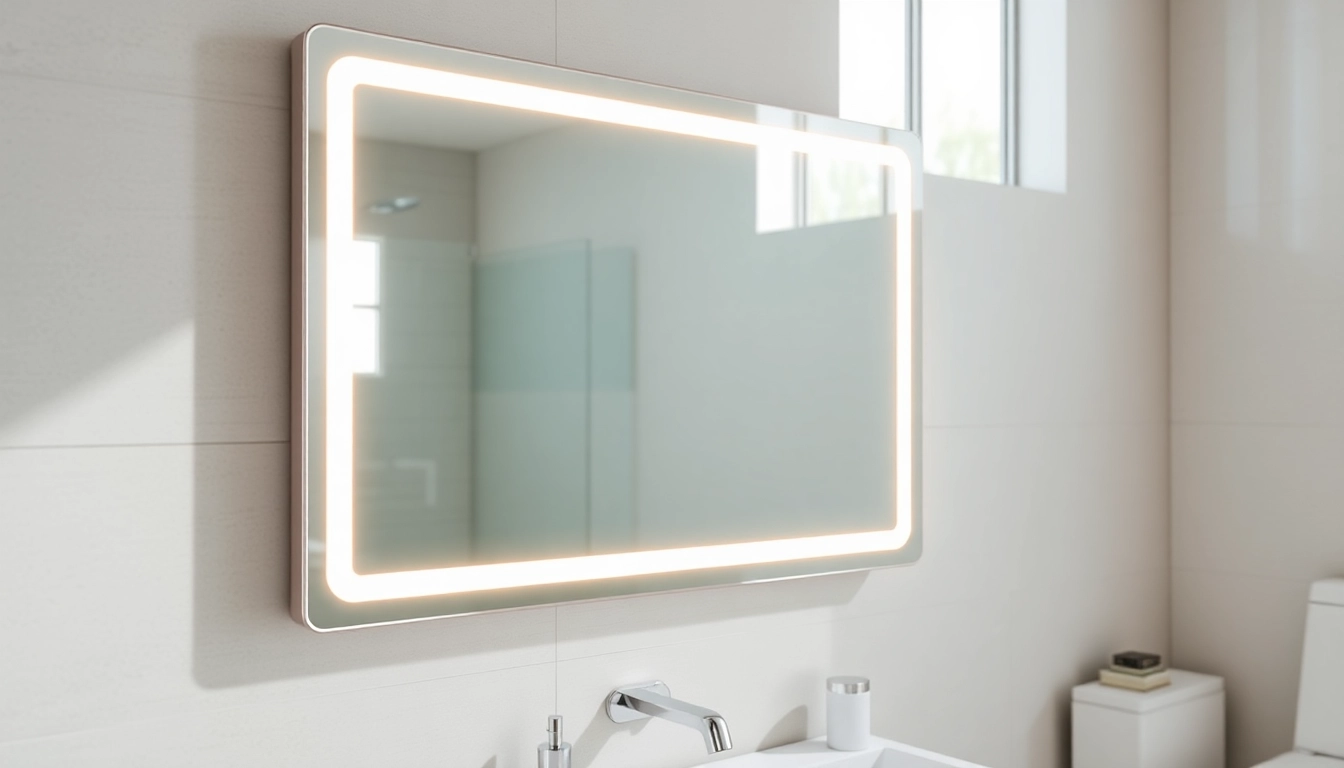
- Backlit Mirrors: These are fitted with LED lights along the perimeter or behind the glass surface, providing a soft glow suitable for bathrooms and dressing areas.
- Hollywood Mirrors: Incorporating larger bulbs, these mirrors offer high-intensity lighting, making them ideal for makeup artists and beauty aficionados.
- Wall-Mounted Mirrors: These are great for spaces saving, allowing for flexibility in placement while also serving as an accent piece.
- Framed Mirrors: Combining traditional aesthetics with modern functionality, framed mirrors can hide LED fittings while providing an upscale finish.
Choosing the Right Style for Your Space
Modern vs. Traditional Mirror Designs
When incorporating mirrors and LED lights into your home, it’s essential to consider the overall design language of the space. Modern mirrors often feature sleek, minimalist designs with clean lines and geometric shapes, perfectly synchronizing with the contemporary feel that LEDs promote. Conversely, traditional mirrors may boast ornate frames and classic shapes, suitable for more intricate decor styles. Ultimately, the choice should align with your existing decor and personal taste, ensuring that the mirror not only serves a functional purpose but also complements the home’s aesthetic.
Finding the Perfect LED Lighting Style
The style of LED lighting you choose can define the room’s atmosphere. Options include:
- Color Temperature: Warmer tones (2700K-3000K) create a cozy atmosphere, while cooler tones (4000K-6000K) lend a more energizing feel ideal for task-oriented spaces.
- Brightness Levels: Dimmable LED options allow you to adjust luminance based on the time of day or activity, providing versatility.
- Lighting Angles: Consider whether you want direct lighting for detailed tasks or diffused lighting for ambiance. Architectural LED installations can provide both.
Combining Trends and Functionality
Combining trendy styles with functionality is essential when selecting mirrors and LED lights. For example, incorporating smart LED technology can enhance ease of use, allowing you to control lighting through your smartphone or smart home system. This modern approach not only elevates the practical aspects of your mirror but also speaks to the growing trend of home automation.
Installation and Maintenance Tips
Installing Your Mirror and LED Lights: A Step-by-Step Guide
Installing mirrors with LED lights requires careful planning and execution. Here’s a simple step-by-step guide:
- Select the Location: Identify where you want to install the mirror and ensure there is adequate electrical access for LED lights.
- Prepare the Wall: Use a stud finder to locate wall studs and mark your desired position. Ensure the wall surface is clean and smooth.
- Mount the Mirror: Securely mount the mirror using appropriate anchors or screws, ensuring it is leveled correctly.
- Install the LEDs: Depending on your design, either mount the LED strips or bulbs around the mirror per manufacturer’s instructions.
- Connect and Test: Once everything is installed, connect the power and test the settings. Adjust brightness and color temperature as needed.
Routine Care for Longevity
Taking care of your mirror and LED lights ensures they remain functional and visually appealing for years. Here are a few maintenance tips:
- Cleaning: Use a mild glass cleaner and a microfiber cloth to gently clean the mirror surface without scratching.
- Inspect LED Connections: Regularly check for loose connections and ensure that the lighting is functioning properly.
- Avoid Excess Moisture: If installed in bathrooms, ensure that ventilation is sufficient to prevent moisture buildup that can damage electronic components.
Safety Precautions During Installation
Safety is paramount when installing mirrors and LED lights. Always follow manufacturer guidelines, wear protective gear, and consider hiring a professional if electrical work is involved. Ensure that LED lights are rated for the area they are placed in, especially in environments like bathrooms.
Lighting Effects: Setting the Right Mood
Using LED Lights for Ambient Effects
Ambient lighting is important for creating a relaxed environment. Soft, diffused LED lights around mirrors can provide a soothing glow, perfect for evenings or unwinding after a long day. Dimmable options allow you to tailor the intensity to suit your mood and function.
Task Lighting vs. Accent Lighting
Understanding the distinction between task and accent lighting is crucial. Task lighting is focused and bright, important for activities such as grooming or applying makeup, achieved through strategically placed LED lights at the sides or above the mirror. On the other hand, accent lighting adds decorative effects, highlighting the mirror or the surrounding decor, creating an inviting atmosphere.
Creating a Welcoming Atmosphere Effortlessly
The key to achieving a welcoming ambiance lies in the balance of lighting types and the layout of mirrors. Layering different types of lights, including ambient, task, and accent, while also considering natural light sources can achieve a balanced environment. Mirrors can enhance light distribution, improving the overall brightness of a room and inviting a warm, inviting atmosphere.
FAQs About Mirrors and LED Lights
What are the advantages of LED lights over traditional lighting?
LED lights are energy-efficient, have a longer lifespan, and offer customizable options that enhance aesthetic appeal while lowering energy costs.
Can I use any mirror with LED lights?
Not all mirrors are designed for LED integration; it’s best to choose mirrors specifically made for that purpose to ensure safety and optimal performance.
How do I maintain my mirror and LED lights?
Clean both with gentle cleaners and soft cloths regularly to prevent damage and ensure maximum brightness over time.
Are LED lights safe for use in bathrooms?
Yes, if rated for wet areas, LED lights are safe for bathroom use, making them a practical choice for illuminating mirrors.
What styles of mirrors work best with LED lights?
Modern and minimalist mirrors pair well with LED lights, enhancing their sleek designs and providing both function and aesthetic appeal.