Introduction to Colonial Home Construction
Colonial home construction holds a unique charm that has captivated homeowners for generations. These homes not only reflect an enduring architectural style but also encapsulate a lifestyle rooted in history. With their distinct design elements, colonial homes evoke a sense of nostalgia and elegance. For those considering embarking on a journey to create a colonial home, understanding the nuances of colonial home construction is essential. This article delves deep into the characteristics, planning, construction techniques, landscaping, and maintenance of these classic structures.
Defining Colonial Home Characteristics
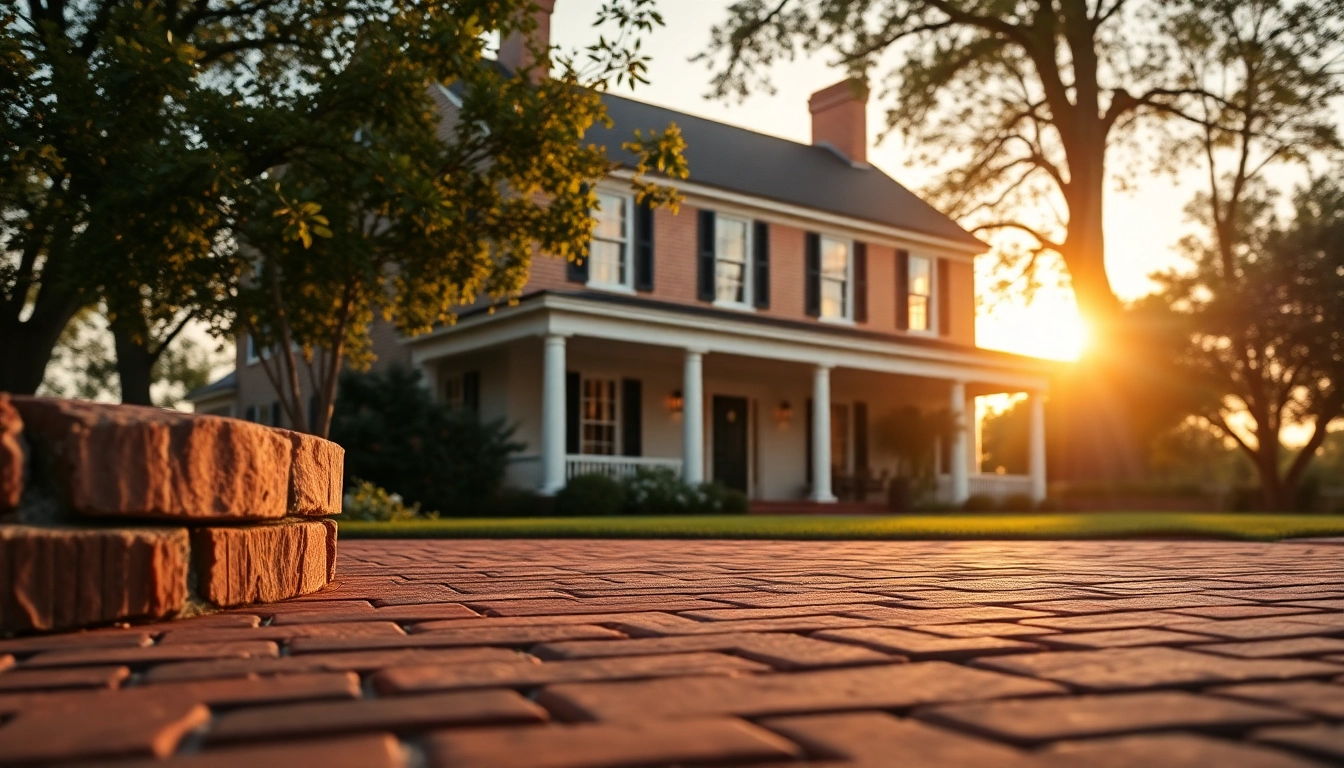
Colonial homes are instantly recognizable due to their symmetrical design, steep roofs, and central entrances. Typically, these houses feature multiple rooms on each floor with well-defined spaces, emphasizing practicality and formality. The most common materials used in colonial home construction include wood and brick, which contribute to the durability and aesthetic appeal of these homes. Architectural details like shutters, gabled roofs, and prominent chimneys enhance their classic charm, making them a beloved choice among many homeowners.
Historical Significance of Colonial Styles
Historically, colonial architecture developed during the American colonial period, heavily influenced by European styles. Each variation—whether it be Georgian, Federal, or Dutch Colonial—reflects the architectural preferences of its time and region. The significance of these styles extends beyond aesthetics; they represent the cultural evolution and historical context of the era. Understanding these influences can provide valuable insight into the design choices available to modern builders and homeowners.
Benefits of Building Colonial Homes
Choosing to build a colonial home comes with numerous advantages. Their classic design not only stands the test of time aesthetically but also tends to hold its value well over the years. Many colonial homes are energy-efficient due to their thick walls and strategic window placements, reducing heating and cooling costs. Moreover, the traditional layouts provide spacious interiors that suit family living while fostering a warm and inviting atmosphere. These benefits make colonial homes an enduring choice for new homeowners and those looking to invest in real estate.
Planning Your Colonial Home Construction
Importance of Architectural Design
Architectural design is a crucial first step in colonial home construction. Working with a skilled architect or designer who understands the nuances of colonial architecture can make a significant difference. They will help in creating detailed blueprints that reflect your personal style while adhering to traditional elements. Custom design aspects, such as the layout and proportions of rooms, play a vital role in the overall aesthetic and functionality of the home.
Selecting the Right Materials
The materials chosen for colonial home construction can impact both the aesthetic quality and longevity of the home. Traditional materials like brick, stone, and wood not only enhance the home’s visual appeal but also ensure durability. Consider using sustainably sourced materials to promote eco-friendliness while retaining historical accuracy. It’s important to engage suppliers who can provide high-quality, authentic materials to ensure that your colonial home meets your vision and standards.
Establishing Your Budget
Setting a realistic budget is a pivotal aspect of planning your colonial home construction. Costs can vary greatly depending on size, location, and chosen materials. It’s essential to break down your budget into segments: land acquisition, design fees, construction costs, and interior furnishings. Acquiring quotes from multiple contractors can also aid in understanding local pricing and trends, helping you make informed decisions that align with your financial strategy.
Construction Techniques for Colonial Homes
Foundation and Framing Methods
The foundation is one of the most critical components in the construction of a colonial home. Techniques vary by region, but a common choice is a full basement foundation which allows for additional living space and enhances structural integrity. When it comes to framing, traditional timber framing methods are often favored for their robustness and aesthetic appeal. Incorporating modern building codes can help ensure the structure is both historically accurate and compliant with safety standards.
Exterior Elements and Finishes
Exterior finishes greatly enhance the colonial aesthetic. Popular choices include clapboard siding, brick facades, or shingles with painted finishes that can be tailored to the preferred color scheme. Windows are equally important, often featuring multi-pane glazing and decorative shutters that maintain the look of traditional colonial architecture. The quality of these elements impacts not only the visual cohesion of the home but also contributes to energy efficiency and longevity.
Roofing and Insulation Best Practices
Colonial homes often feature steep, gabled roofs that require durable materials like slate, asphalt, or metal. Proper installation is key to prevent leaks and extend the lifespan of the roof. Adequate insulation helps maintain comfortable temperatures throughout the year, making use of materials like spray foam or cellulose that adhere to building standards while promoting energy efficiency. Exploring modern technologies that enhance insulation without compromising the historical aesthetic can be beneficial in today’s eco-conscious market.
Landscaping a Colonial Home
Incorporating Traditional Gardens
Landscaping plays a vital role in complementing the architectural beauty of colonial homes. Traditional gardens, often designed in symmetrical layouts, reflect the home’s elegance. Elements like boxwood hedges, gravel pathways, and perennial flower beds can forge a seamless transition between the indoor and outdoor spaces. Incorporating native plants ensures that the landscaping is not only visually appealing but also sustainable, requiring less maintenance over time.
Choosing Period-Appropriate Fencing
Fencing around a colonial home should match its aesthetic while serving functional purposes. Common choices include picket fences and wrought iron gates, which enhance the property’s curb appeal and provide security. The right fencing can serve as a beautiful boundary while respecting the home’s historical context. Additionally, ensuring that the fencing materials align with the overall architectural style is crucial for maintaining authenticity.
Lighting and Pathway Design
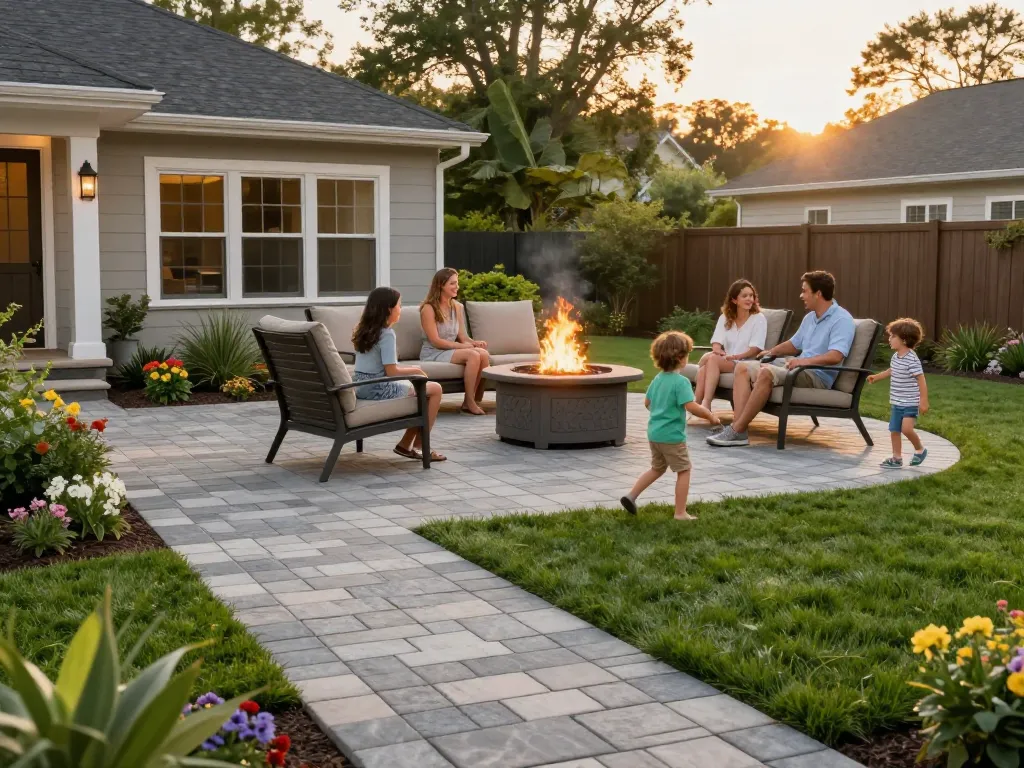
Proper lighting can accentuate the architectural features of colonial homes and enhance safety. Choosing period-appropriate fixtures such as lanterns or sconces creates a charming ambiance while guiding visitors along pathways. Pathway design should reflect the symmetry and paved surfaces typical of colonial landscaping. Using natural stones or bricks for pathways can provide a rustic feel, blending beautifully with the surrounding gardens.
Maintenance and Preservation
Regular Inspection Tips
Maintaining the integrity of a colonial home requires regular inspections to identify potential issues early. Routinely checking the roof, gutters, and foundation for signs of wear or damage is critical. This proactive approach helps prevent larger repair costs down the road. It’s equally important to inspect the exterior paint and wood finishes to ensure they are not suffering from weather-related wear, allowing timely touch-ups and restoration.
Restoration Techniques for Aging Homes
Restoring an aging colonial home can breathe new life into its structure while maintaining its charm. Techniques such as repairing or replacing original windows, restoring brickwork, and refurbishing original woodwork help preserve the home’s historical integrity. Engaging skilled artisans familiar with traditional methods can ensure that repairs are executed correctly and authentically, enhancing both the value and appeal of the home.
Energy Efficiency Upgrades
Incorporating energy-efficient upgrades in colonial homes is paramount in today’s eco-conscious landscape. Upgrades may include installing energy-efficient windows, enhancing insulation, or utilizing modern heating and cooling systems. Ensuring these upgrades are integrated thoughtfully can help maintain the home’s aesthetic while significantly lowering energy bills. It is essential to balance modern utilities with historical charm to keep the house’s integrity intact.
Frequently Asked Questions (FAQs)
What are the key characteristics of colonial homes?
Colonial homes are characterized by symmetrical designs, central entryways, gabled roofs, and traditional materials like brick and wood.
Why choose a colonial home?
Colonial homes offer timeless aesthetics, spacious interiors, energy efficiency, and potential for increased property value.
What materials are best for constructing colonial homes?
Optimal materials include clapboard or brick siding, timber framing, and slate or asphalt roofing to ensure durability and authenticity.
How should I landscape around a colonial home?
Adopt traditional garden designs, period-appropriate fencing, and lighting that complements the home’s symmetry and historic charm.
What are important maintenance tips for colonial homes?
Conduct regular inspections, maintain the exterior finishes, and address any repairs immediately to preserve structural integrity.