Understanding Kling Motion Technology
The rapid advancement of artificial intelligence has ushered in an era of unprecedented creativity and innovation in video production. One of the leading technologies in this field is Kling Motion AI, specifically its version 2.6, which provides creators with a powerful toolset to transform static images into dynamic, expressive videos. As motion control technology evolves, understanding its capabilities and applications is essential for video professionals looking to leverage AI effectively. Kling motion stands at the forefront of this technological leap, empowering users to infuse life and emotion into their visual narratives.
What is Kling Motion and How Does It Work?
Kling Motion AI is an advanced platform that employs sophisticated algorithms to analyze and replicate motion patterns from reference videos. This allows users to upload a character image and a motion clip, effectively creating video content that mimics the dynamics of the original footage. The system captures intricate details such as body movements, facial expressions, and even the subtleties of environmental interaction, ensuring that the resulting videos are both visually appealing and narratively coherent.
Key Features of Kling Motion 2.6
- Accurate Motion Path Control: Users can define precise paths for character actions and camera movements, allowing for meticulous storytelling.
- Reliable Character Identity Preservation: Kling Motion 2.6 maintains consistency in character features over the course of the video, avoiding the visual drift commonly seen in earlier models.
- Photorealistic Output: The engine is designed to produce high-resolution videos with realistic lighting and textures, bringing characters and scenes to life in a way that approaches traditional CGI quality.
- Advanced Motion Control for Complex Actions: The platform supports intricate movements, such as Tai Chi or dance, with impressive synchronization and detail.
- Rapid Video Generation: Kling Motion can generate high-quality videos in a fraction of the time traditionally required, enhancing productivity for creators.
Benefits of Using Kling Motion for Video Production
Integrating Kling Motion into your video production workflow can significantly enhance creativity and efficiency. The ability to turn static images into fully animated videos reduces the barrier to entry for high-quality content creation. Additionally, the consistent output quality ensures that projects can maintain a professional standard, reducing the need for extensive editing post-generation.
Setting Up for Success with Kling Motion
To fully harness the potential of Kling Motion, proper setup and preparation are crucial. Understanding the requirements and best practices for input images and videos can dramatically improve the results of your AI-generated content.
Preparing Your Source Images for Optimal Results
The quality of the input image plays a significant role in the final output. For optimal results, it is recommended to use full-body or half-body images with a clear background. It is also essential to ensure that the images are well-lit and that the characters’ features are distinct, as these factors contribute to the AI’s ability to render lifelike animations.
Selecting the Right Reference Videos
Choosing the correct reference video is equally important. The motion clip should closely align with the intended actions of the character in the image. Ideally, select videos that demonstrate smooth movements with minimal camera drift to allow the AI to track and replicate actions accurately. Additionally, ensuring that the motion reference matches the framing of the image will yield the best synchronization results.
Common Mistakes to Avoid When Using Kling Motion
- Using Low-Quality Images: Low-resolution or poorly framed images can hinder the AI’s performance, leading to undesirable video outcomes.
- Ignoring Video Framing: Failing to match the image and motion reference in terms of framing can result in awkward or unnatural animations.
- Neglecting to Use Text Prompts: Text prompts can greatly enhance the AI’s understanding of desired actions and atmosphere, so they should not be overlooked.
Enhancing Video Quality with Kling Motion
Once you have set up your project correctly, there are several techniques you can employ to enhance the quality of your AI-generated videos. Kling Motion provides various features tailored for creative professionals aiming for high standards.
Techniques for Achieving Photorealistic Outputs
To achieve photorealistic video quality, focus on lighting and texture settings during the upload process. High-quality reference videos with diverse lighting conditions will assist Kling Motion in creating visually compelling outputs. Experimenting with different lighting schemes in your reference materials can also yield stunning results.
Advanced Control Over Character Movements
Kling Motion allows for advanced control over character movements, enabling fine-tuning of specific actions. By adjusting parameters such as speed and fluidity, creators can achieve an authentic feel in the animations. This level of detail is particularly beneficial for projects requiring high degrees of realism, such as film or marketing materials.
Utilizing Text Prompts to Fine-Tune Videos
Text prompts are a powerful tool available in Kling Motion that help guide the AI in generating video content. By providing descriptive inputs related to desired actions, camera angles, and overall atmosphere, users can significantly influence the AI’s output. This feature is particularly useful for adding emotional depth and narrative complexity to animations.
Getting Creative with Kling Motion
The flexibility of Kling Motion opens the door to countless creative applications across various industries. Whether for entertainment, education, or marketing, this technology can adapt to diverse needs and styles.
Exploring Innovative Applications in Various Industries
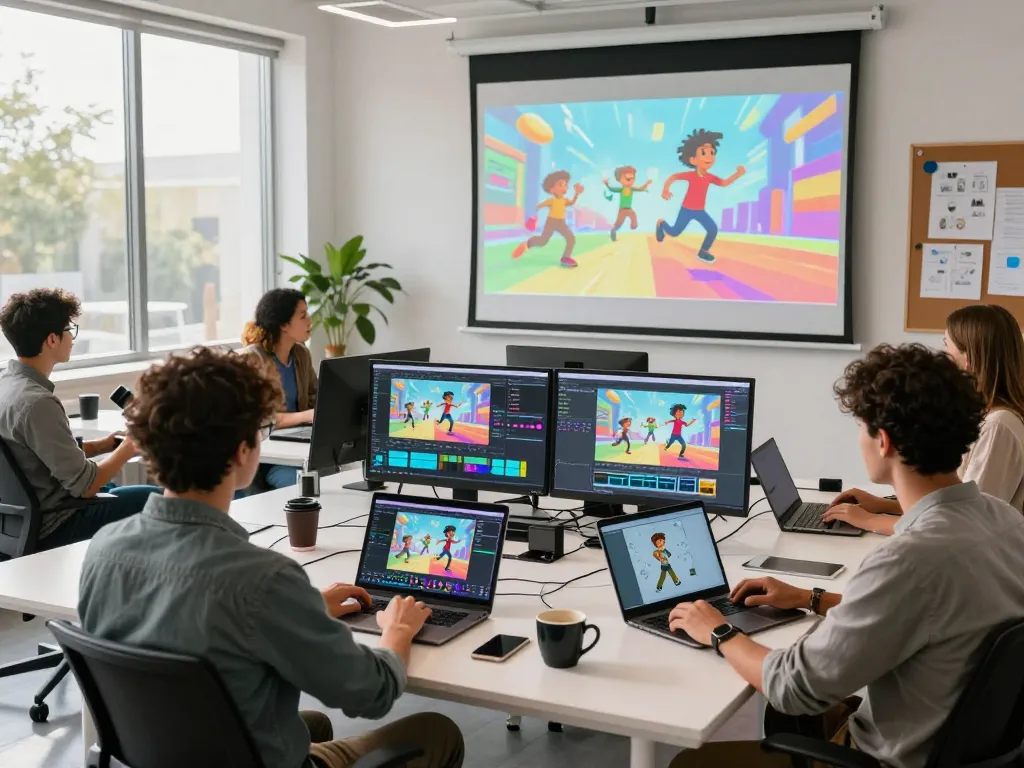
Kling Motion’s capabilities are being harnessed in a variety of sectors. For instance, in the film industry, directors can create storyboards using animated character portrayals, facilitating smoother pre-production processes. In advertising, brands utilize Kling Motion to produce engaging promotional materials that demand consumer attention through vivid storytelling.
Case Studies: Successful Projects Using Kling Motion
Several creative projects have effectively employed Kling Motion to achieve remarkable results. For example, a recent campaign featuring animated baby dance videos went viral due to its charming synchronization and expressive character movements. Utilizing Kling Motion for this project allowed the team to generate high-quality content rapidly, ensuring they kept up with market trends and audience engagement.
Tips for Creating Viral Content with Kling Motion
- Leverage Timely Trends: Stay updated on current trends and utilize Kling Motion to create content that resonates with contemporary themes.
- Engage Emotionally: Content that evokes emotions tends to be shared widely; use nuanced facial expressions and relatable situations to your advantage.
- Optimize for Social Media: Tailor your videos for various social media platforms by utilizing specific formats and lengths known to perform well.
Future Trends and Developments in Motion AI
The field of AI motion control is evolving rapidly, with new advancements on the horizon that will further enhance video production capabilities. Staying informed about these trends will be essential for creators aiming to remain competitive.
What’s Next for AI Motion Control Technology?
Future developments are likely to include enhanced AI learning capabilities, allowing systems like Kling Motion to understand and generate more complex movements with smaller datasets. This could reduce the preparation time needed for input materials and increase output fidelity.
Predictions for Kling Motion’s Impact on Content Creation
Kling Motion is set to revolutionize how content is created by lowering barriers for independent creators and enabling high-quality video production that was previously limited to professional studios. As tools become more accessible and user-friendly, we can expect an influx of innovative content from diverse creators.
Preparing for Changes: Staying Ahead in AI Video Production
To stay ahead of the curve in AI video production, it’s crucial for creators to continuously evolve with the technology. This includes experimenting with new features, exploring integration opportunities with other software, and constantly seeking feedback to refine their approaches.
Can I Use Videos Generated by Kling Motion for Commercial Purposes?
Yes, videos generated through Kling Motion can be used for commercial projects, provided that the necessary rights and licenses are respected in terms of the source materials used and the distribution platforms chosen.
How Fast Is Video Generation Using Kling Motion?
Kling Motion is optimized for rapid video generation, often producing quality outputs in minutes instead of hours. This efficiency allows creators to pivot quickly and adapt to changing project needs without sacrificing quality.
Does Kling Motion Support Multiple Character Actions?
Indeed, Kling Motion supports multiple character actions simultaneously, allowing for complex scene creation that enhances storytelling. This feature is particularly useful for projects requiring ensemble casts or intricate interactions.
What Are the Best Practices for Anime Style Animation?
When creating anime-style animations using Kling Motion, it is advisable to use vibrant color palettes and exaggerated movements to align with the genre’s aesthetics. Additionally, consider incorporating stylistic vectors and backgrounds that enhance the animated environment.
How to Troubleshoot Common Issues with Kling Motion?
Common issues with Kling Motion often revolve around incorrect image or video framing, which can be resolved by ensuring that reference media align properly. Additionally, maintaining high-quality source materials will minimize problems related to output quality and detail.