Understanding Cabinet Refacing Largo FL
What is Cabinet Refacing?
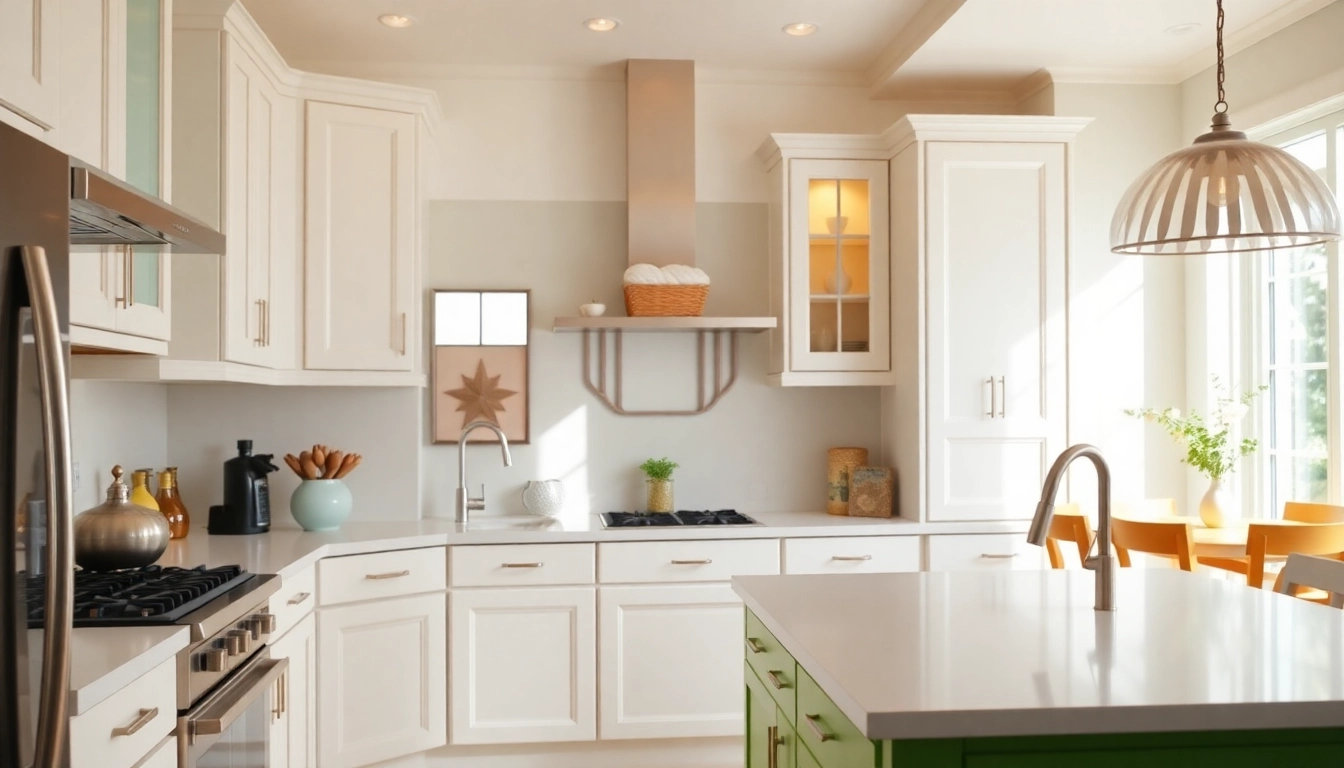
Cabinet refacing is a popular home improvement technique that involves replacing the outer layers of cabinetry while keeping the existing structure intact. This process allows homeowners to achieve a fresh, updated look for their kitchens or bathrooms without the extensive time and costs associated with complete cabinet replacement. Generally, it involves installing new doors and drawer fronts, applying veneer to the cabinet boxes, and updating hardware. Homeowners looking to modernize their interiors often turn to Cabinet Refacing Largo FL for these transformative services.
Benefits of Choosing Cabinet Refacing
Choosing cabinet refacing provides numerous benefits that appeal to various types of homeowners. These include:
- Cost Efficiency: Refacing is typically less expensive than replacing cabinets, saving homeowners a significant amount of money.
- Time Savings: The refacing process is quicker, often taking only a few days compared to weeks for a full installation.
- Less Waste: Refacing produces less waste than a complete replacement, making it an environmentally friendly choice.
- Increased Home Value: Upgraded cabinets increase the overall appeal and value of a home, especially during resale.
Cost-Effective Alternatives to Replacing Cabinets
For those on a budget, cabinet refacing proves to be a viable alternative to full cabinet replacements. Given the rising costs of materials and labor for new cabinetry, refacing allows homeowners to shine new life into their kitchen or bathroom aesthetics without the hefty price tag. Refacing options can include special finishes or hardware upgrades, enabling a dramatic transformation while preserving the cabinet structure.
Choosing Materials for Cabinet Refacing
Types of Finishes Available
When it comes to cabinet refacing, the finish plays a crucial role in the overall aesthetic. The most common finishes include:
- Paint: Painting cabinets can create a smooth, modern look and offers almost limitless color options.
- Stains: Stains enhance the natural grain of wood, allowing its beauty to shine through.
- Veneer: A thin layer of wood veneer can create the appearance of solid wood, perfect for a cost-effective yet beautiful finish.
Wood vs. Laminate: Which is Best?
When considering materials for cabinet refacing, homeowners often debate between wood and laminate. Each material has distinct advantages:
- Wood: Offers a high-end look and durability. It can be refinished and repainted over time.
- Laminate: Is typically less expensive, easier to clean, and available in a variety of colors and patterns but may not be as durable as wood.
Ultimately, the choice will depend on personal style, budget, and intended use of the cabinets.
Eco-Friendly Refacing Options
For environmentally conscious homeowners, selecting eco-friendly materials is increasingly important. Sustainable wood options, low-VOC paints and finishes, and recycled materials are excellent choices for cabinet refacing. Using sustainable resources not only minimizes ecological impact but also promotes healthier indoor air quality, making them appealing for families and eco-aware homeowners.
The Process of Cabinet Refacing
Step-by-Step Refacing Guide
The cabinet refacing process can be broken down into several key steps:
- Assessment: Evaluate the current cabinets to determine necessary repairs, if any.
- Selection: Choose new doors, drawer fronts, and veneer materials.
- Preparation: Remove existing doors and clean surfaces thoroughly.
- Installation: Apply the new veneer and install new doors, ensuring proper alignment.
- Final Touches: Install hardware and adjust doors and drawers for smooth operation.
Tools and Equipment You’ll Need
Successful cabinet refacing requires some essential tools and equipment:
- Measuring tape
- Screwdrivers
- Drills and drill bits
- Utility knife
- Sandpaper or a power sander
- Clamps for holding pieces in place
Having the right tools at your disposal reduces the likelihood of mistakes and enhances the overall quality of the finished product.
Hiring Professionals vs. DIY
While many homeowners may consider taking on the challenge of DIY refacing, hiring professionals often leads to superior results. Professionals possess the skills, experience, and equipment required to ensure a flawless finish. However, determined DIYers can save money and enjoy the satisfaction of completing the project if they take the time to research techniques and plan accordingly. Weighing the pros and cons based on skill level, desired outcomes, and budget can help in making this decision.
Design Trends in Cabinet Refacing
Popular Color Schemes for 2023
Color schemes are vital in influencing the mood and style of a space. In 2023, some popular color trends for cabinetry include:
- Soft Neutrals: Warm whites, taupes, and soft greys create a timeless look.
- Bold Hues: Deep blues, greens, and even black cabinets add dramatic contrast and sophistication.
- Pastels: Light hues, like mint and blush, are perfect for creating a soft, inviting atmosphere.
Incorporating Open Shelving
Open shelving is becoming increasingly popular in cabinet design. It provides an opportunity to display dishes and decor, create a lighter visual feel, and reduce the closed-in look often associated with traditional cabinetry. Integrating open shelves into a refacing project can yield a modern twist and enhance accessibility.
Faux Finishes and Textures
Faux finishes and textured surfaces can add depth and interest to cabinets, helping to elevate their appearance. Techniques such as wood graining, aging, and other distressed looks provide a distinctive character. Choosing textured finishes can also introduce a tactile quality that enhances the overall appeal of the cabinetry.
Maintenance for Refaced Cabinets
Cleaning and Care Tips
Maintaining your refaced cabinets is essential to ensure their longevity and appearance. Routine cleaning with mild soap and water is advised, while avoiding harsh chemicals that can damage finishes. Periodically checking for loose hardware or alignment issues allows for timely adjustments, enhancing functionality and aesthetic appeal.
Common Issues and How to Fix Them
Over time, refaced cabinets may encounter common issues such as peeling veneer or misaligned doors. For peeling veneer, it is essential to re-adhere it properly using wood glue and clamps. Misalignment of doors can often be adjusted with simple hardware adjustments to ensure smooth operation and an even appearance.
When to Consider Professional Help
If refaced cabinets require extensive repairs or if DIY adjustments do not yield satisfactory results, calling in professionals may be beneficial. Additionally, if aesthetic appeal and functionality are not enhancing with self-upkeep, relying on experts can save time and hassle while ensuring beautiful outcomes.
Frequently Asked Questions
What is the average cost of cabinet refacing?
The cost of cabinet refacing can range from $1,000 to $10,000, depending on the size of the project and materials selected.
How long does the refacing process take?
Typically, the cabinet refacing process takes about 3 to 5 days, allowing for preparation, installation, and finishing touches.
Can I repaint my refaced cabinets?
Yes, refaced cabinets can be repainted, especially if the finish is wearing or if a new color scheme is desired.
Are cabinet refacing materials durable?
Yes, when installed properly, refacing materials such as wood and veneers are durable and can last for several years with proper maintenance.
Is it possible to refinish cabinetry myself?
Homeowners can refinish cabinets themselves, but it’s vital to possess adequate tools and knowledge to ensure a quality finish.