Understanding 3D Model Generators
In recent years, the demand for 3D modeling has surged across various industries, including gaming, manufacturing, architecture, and art. As a result, the use of advanced tools that automate the creation of 3D models has become essential. One such tool is the 3D Model generator, which allows users to generate three-dimensional representations from simple inputs like text and images. This technology not only streamlines the design process but also opens avenues for creativity and efficiency.
What is a 3D Model Generator?
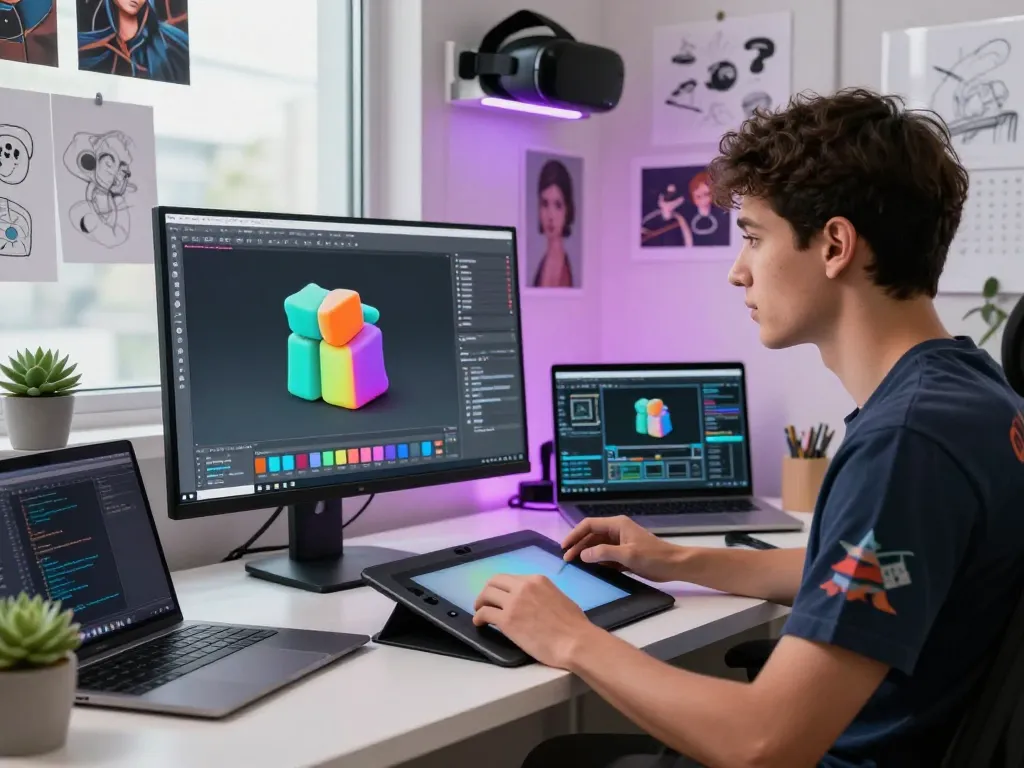
A 3D model generator is a software application or online tool that converts inputs—such as text descriptions, sketches, or images—into three-dimensional models. These models can be utilized in various fields, including video game development, architectural visualizations, product designs, and more. By using sophisticated algorithms, these generators interpret user inputs and create digital models that can be manipulated, refined, and used in simulations or for manufacturing.
How They Work: From Text to Model
The workflow of a 3D model generator typically involves several steps:
- Input Acquisition: Users provide the software with initial data, which can include text prompts describing an object or images depicting specific features.
- Processing: The generator processes this input using AI algorithms, often involving machine learning techniques that have been trained on vast datasets of 3D objects.
- Output Generation: Once processed, the tool outputs a 3D model that can be viewed, edited, or exported into various file formats for further use.
This streamlined process allows for rapid prototyping and fosters innovation, especially in industries where speed and flexibility are critical.
Importance in Modern Design and Manufacturing
The significance of 3D model generators in today’s design and manufacturing landscape cannot be overstated. These tools empower designers and engineers to create realistic models without needing extensive technical knowledge. They also facilitate collaboration by allowing team members to visualize concepts quickly and iterate on designs in real-time. Additionally, the ability to generate custom 3D models efficiently supports the growing trend of personalization in products, enhancing user experience and satisfaction.
Benefits of Using a 3D Model Generator
Speeding Up the Design Process
One of the primary advantages of using a 3D model generator is the significant reduction in time it takes to produce design prototypes. Traditional modeling methods often require extensive manual labor and technical expertise, which can slow down the creative process. In contrast, a 3D model generator can create a basic prototype in minutes, allowing designers to focus on refining their ideas rather than getting bogged down in technical details.
Cost-Effectiveness Compared to Traditional Methods
Utilizing a 3D model generator can also be more cost-effective than traditional modeling techniques. By reducing the time spent on design and limiting the need for extensive manpower, businesses can save on labor costs and accelerate their product development cycles. Furthermore, many AI-powered generators offer free or low-cost options, making high-quality 3D modeling accessible even to smaller companies and independent creators.
Enhancing Creativity and Innovation
3D model generators foster creativity by enabling rapid experimentation. Designers can quickly iterate on ideas, visualize different perspectives, and explore various design possibilities without the constraints of traditional modeling methods. This freedom can lead to innovative solutions that might not have emerged through conventional design processes.
Common Challenges with 3D Model Generators
Understanding Output Quality: What to Expect?
Despite their advantages, 3D model generators can have varying levels of output quality. Users may sometimes find that the models produced do not meet their expectations, particularly if the input data is ambiguous or lacks detail. It’s important for users to provide clear and specific inputs to achieve the best results.
Addressing User Skill Levels: Beginners vs. Professionals
Another challenge is the disparity in user skill levels. Beginners might struggle to understand how to formulate effective prompts or may feel overwhelmed by the software’s features. In contrast, professionals may seek more advanced functionalities that are not available in basic generators. Thus, users must select tools that align with their skill level and specific needs.
Dealing with Software Limitations
Many 3D model generators have limitations in terms of the complexity of models they can produce. While some tools excel at generating basic shapes or objects, others may struggle with intricate designs. Additionally, users may find that certain types of detailing or texturing require manual adjustments post-generation. Understanding these limitations is crucial for effective use of the technology.
Best Practices for Maximizing the Potential of 3D Model Generators
Choosing the Right Software for Your Needs
With a multitude of 3D model generators available, selecting the right one for your projects is critical. Consider factors such as user interface, compatibility with other tools, and the quality of output when making your choice. Tools like Meshy AI and Canva are popular options that cater to different skills and requirements.
Effective Input Techniques for Optimal Output
To maximize the effectiveness of a 3D model generator, users should practice crafting precise and descriptive inputs. Clear descriptions help the software understand the desired outcome, which in turn leads to better quality models. For instance, instead of simply requesting a “car,” specify the model, color, and desired features to achieve more accurate results.
Iterative Design: Refining Your Models
Utilizing an iterative design process is crucial when working with 3D model generators. Start with a basic design, evaluate the output, and then make adjustments based on what works and what doesn’t. This cycle of refinement helps achieve a final product that closely aligns with your vision.
Future Trends in 3D Model Generation – 2026 and Beyond
AI Integration and Machine Learning Advances
As technology continues to evolve, the integration of AI and machine learning into 3D model generation will only improve. Future generators are expected to become increasingly sophisticated, providing users with even higher-quality outputs and more intuitive interfaces. Enhanced AI will be capable of learning from user interactions, refining its output over time, and suggesting improvements based on past projects.
Impact of AR/VR Technologies on 3D Modeling
Augmented Reality (AR) and Virtual Reality (VR) technologies are set to revolutionize how 3D models are used and experienced. In industries such as gaming and real estate, the ability to view and interact with 3D models in a virtual space will enhance user engagement and decision-making processes. This trend will promote a deeper understanding of designs before they are manufactured or built.
Predictions for User Adoption and Industry Growth
As the capabilities of 3D model generators expand and become more user-friendly, we can expect a rise in adoption across various sectors. Industries such as fashion, healthcare, and aerospace will increasingly leverage these tools for rapid prototyping and custom solutions. The growth potential in this domain is immense, paving the way for a new era of design innovation.
What are the main types of 3D model generators?
3D model generators can be categorized into several types based on their capabilities. These include text-to-3D generators, image-to-3D generators, and hybrid models that combine both text and imagery. Each type serves different needs, catering to various user preferences and project requirements.
Can anyone use a 3D model generator effectively?
Yes, 3D model generators are designed to accommodate a wide range of users, from beginners to professionals. However, effective use may depend on the user’s ability to craft clear inputs and understand the software’s functionalities. Many platforms also provide tutorials and community support to help users improve their skills.
How do I choose the best 3D model generator for my projects?
When selecting a 3D model generator, consider your specific project needs, budget, and the level of complexity you intend to manage. Research various tools, read user reviews, and perhaps start with free trials to find the best fit for your requirements.
What industries benefit the most from 3D model generation?
Industries such as gaming, education, architecture, healthcare, and manufacturing significantly benefit from 3D model generation. These sectors utilize the technology for designing products, visualizing concepts, and enhancing consumer experiences.
Are 3D model generators suitable for hobbyists or only professionals?
3D model generators are suitable for both hobbyists and professionals. While professionals may use these tools for complex projects, hobbyists can leverage them for personal creative endeavors, making 3D modeling more accessible than ever before.