Understanding Cape Cod Homes
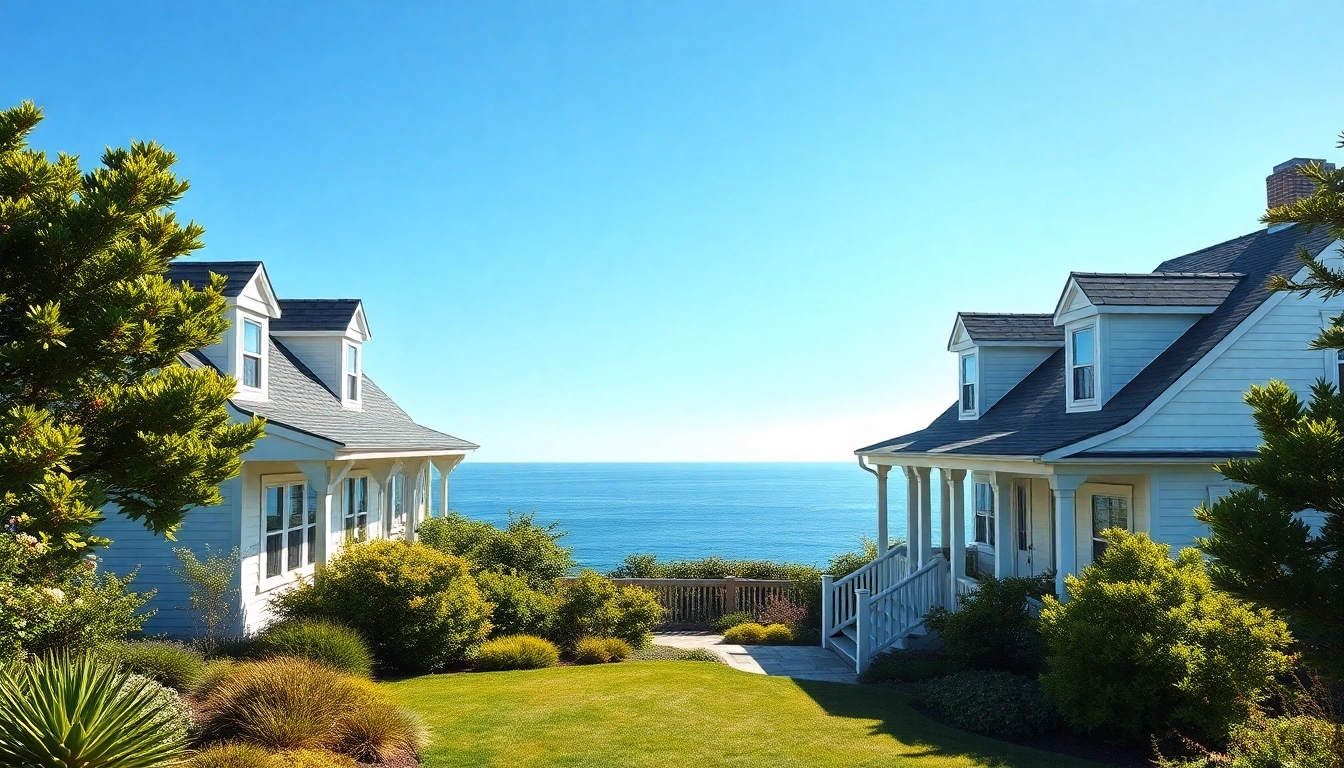
Cape Cod homes epitomize the classic charm and understated elegance that many homeowners adore. Their simple yet functional design, rooted in the rich history of American architecture, captures both beauty and practicality. Originating in the early 17th century, these homes were designed to withstand the harsh New England weather, making them a staple in coastal communities. The cape cod homes style continues to be popular due to its timeless appeal and adaptability.
The History of Cape Cod Homes
The history of Cape Cod homes can be traced back to the early European settlers who sought refuge from the elements. These settlers constructed homes using local timber, which contributed to the development of the architectural style that we recognize today. The original homes were one or one-and-a-half stories, featuring a steeply pitched roof and symmetrical design. Over the centuries, the Cape Cod house has evolved while maintaining its core characteristics, making it a symbol of American craftsmanship and design.
Key Architectural Features
While every Cape Cod home is unique, several architectural features are commonly found across the style. Characteristics include:
- Steep Roofs: Crucial for shedding snow and rain, the steep roofs are a signature element.
- Symmetric Facades: Typically featuring a centered front door with evenly spaced windows on either side, creating a balanced appearance.
- Dormer Windows: These windows add space and light to the upper levels, maximizing the functionality of the home.
- Wooden Siding: Often painted in soft, muted colors, the siding complements the natural landscape.
Materials Commonly Used
When it comes to materials, Cape Cod homes traditionally use local resources readily available in the New England region. Commonly used materials include:
- Wood: Essential for framing and siding, wood adds warmth and character.
- Shingles: Wood shingles are often used for both roofing and siding, providing a coastal aesthetic.
- Stone: Many Cape Cod homes feature stone accents, enhancing durability and connection to nature.
- Glass: Large windows allow for natural light and picturesque views, connecting the interior with the natural surroundings.
Design Considerations for Cape Cod Homes
Designing a Cape Cod home presents unique opportunities to blend traditional features with modern sensibilities. Here are key considerations to keep in mind:
Choosing the Right Layout
The layout of a Cape Cod home should prioritize functionality while adhering to traditional design principles. Popular layouts include:
- Open Concept: Creating a seamless flow between the living room, dining area, and kitchen enhances spaciousness.
- Two-Story Designs: These designs maximize living space while preserving the classic silhouette of Cape Cod architecture.
- Single-Story Sprawl: Ideal for those seeking accessibility, single-story homes offer convenience without sacrificing style.
Maximizing Natural Light
Emphasizing natural light is essential in Cape Cod design. Considerations include:
- Orientation: Positioning windows to take advantage of sunlight throughout the day maximizes light penetration.
- Dormer Additions: Dormers not only enhance aesthetics but also increase natural light in upper levels.
- Skylights: These architectural features can be a striking addition, providing light and enhancing ventilation.
Color Schemes and Aesthetics
The color scheme of a Cape Cod home should reflect the coastal setting. Popular choices include:
- Soft Blues and Greens: Evoke a tranquil seaside feeling.
- Neutral Shades: Whites, creams, and grays create a classic and timeless look.
- Bold Accents: Utilize dark colors for shutters or doors for a striking contrast against lighter tones.
Landscaping Ideas for Cape Cod Homes
Landscaping plays a crucial role in complementing the architectural beauty of Cape Cod homes.Thoughtfully designed landscapes can enhance curb appeal and create inviting outdoor spaces. Here are some ideas:
Combining Native Plants
Utilizing native plants is a sustainable choice that promotes local biodiversity. Suggestions include:
- Beach Grass: Anchors soil and prevents erosion, while adding natural beauty.
- Wildflowers: Attract pollinators and add vibrant colors to landscapes.
- Low-lying Shrubs: Ideal for framing pathways and creating structured garden beds.
Hardscaping Elements
Incorporating hardscaping materials can provide structure and enhance usability. Consider:
- Patios: Stone or brick patios can create outdoor living spaces perfect for entertaining.
- Walkways: A combination of materials such as gravel, stone, or wooden boards create visual interest while guiding visitors through the garden.
- Retaining Walls: Utilize stone or brick to define garden areas and prevent soil erosion.
Creating Outdoor Living Spaces
Transforming outdoor areas enhances the livability of Cape Cod homes. Ideas include:
- Outdoor Kitchens: Ideal for summer gatherings and cookouts, incorporating grills, sinks, and seating.
- Fire Pits: A cozy gathering spot for evenings, creating a warm ambiance and enhancing outdoor enjoyment.
- Decks and Porches: Expanding living space allows for relaxation while enjoying the natural surroundings.
Sustainability in Cape Cod Homes
In today’s world, sustainability should be a priority when designing Cape Cod homes. Employing eco-friendly practices and materials can significantly reduce your home’s footprint. Below are essential considerations:
Energy-Efficient Designs
Integrating energy-efficient elements into the design can reduce consumption and enhance comfort. Key strategies include:
- Passive Solar Design: Orienting the house to maximize sunlight can reduce heating costs.
- Insulation: Investing in high-quality insulation materials can keep homes warm in winter and cool in summer.
- Energy Star Appliances: Choosing energy-efficient appliances can greatly reduce utility bills.
Eco-Friendly Materials
Sourcing eco-friendly materials can make a significant difference. Options include:
- Reclaimed Wood: Using reclaimed timber can reduce waste and add historical charm.
- Sustainable Insulation: Look for options made from renewable materials like cellulose or sheep’s wool.
- Low-VOC Paints: These paints improve indoor air quality by reducing volatile organic compounds.
Green Landscaping Practices
Implementing eco-friendly landscaping strategies not only supports the environment but offers a beautiful, functional space. Consider:
- Rain Gardens: Capture rainwater runoff and filter pollutants, while promoting local flora.
- Xeriscaping: Choosing drought-resistant plants can reduce water consumption significantly.
- Composting: Reduces waste and enriches soil, promoting healthy plant growth.
Frequently Asked Questions about Cape Cod Homes
What are the unique features of Cape Cod homes?
Unique features of Cape Cod homes include steep roofs, symmetrical facades, dormer windows, and wooden siding. These elements enhance both functionality and aesthetic appeal.
How can I enhance my Cape Cod home’s curb appeal?
Enhancing curb appeal can be achieved through landscaping and paint choices. Consider adding flower beds, decorative lighting, and updating door hardware for a fresh look.
What materials are best for building a Cape Cod home?
Ideal materials include wood for framing and siding, stone for accents, and glass for maximizing light exposure. These resources blend durability and beauty.
Are there modern adaptations of Cape Cod homes?
Yes, modern adaptations often incorporate open floor plans, energy-efficient designs, and transitional aesthetics, blending traditional elements with contemporary conveniences.
How do I maintain a Cape Cod home’s exterior?
Regular maintenance includes inspecting for wood rot, repainting every few years, cleaning gutters, and ensuring roofs are clear and in good shape to prevent water damage.